What Is the Issue?
Vascular diseases are among the most lethal threats to oak trees because they directly attack the tree’s water and nutrient transport system (the xylem). The most infamous of these is oak wilt (Bretziella fagacearum). When a tree is infected, the fungus invades the xylem vessels. The tree attempts to defend itself by plugging these vessels with gummy substances, but this response inadvertently blocks water flow, causing rapid, often irreversible wilting. Bacterial leaf scorch, caused by the bacterium Xylella fastidiosa, can first appear as drought symptoms as infected trees struggle to distribute water evenly to their leaves. Other issues, such as Phytophthora or Hypoxylon canker, can also cause functional vascular failure by destroying plant tissue.
Danger/Risk Level
Extreme Risk (Acute/Lethal). Vascular diseases are among the most serious health issues for oak trees. Nearly all vascular infections will lead to tree death if left unmanaged.
What Causes the Issue?
- Oak Wilt (Red Oaks): Spores are primarily transmitted by sap-feeding beetles (picnic beetles) that feed on fungal mats produced by the pathogen on an infected tree and then fly to fresh, open wounds on healthy oaks. The disease also spreads aggressively underground through root grafts (natural connections between the roots of adjacent trees).
- Oak Wilt (White Oaks): While white oaks are less susceptible and often decline slowly over several years, the mechanism of infection is the same as red oaks.
- Bacterial Leaf Scorch: Leafhoppers and other insects with piercing/sucking mouthparts spread the bacteria from tree to tree when they puncture leaves to feed on sap.
- Hypoxylon Canker: Spread to uninfected trees by wind-borne spores. Trees weakened by other factors, such as drought or soil compaction, are often the most susceptible.
- Phytophthora: The disease is spread by water-borne spores through saturated soils, where it enters through the root system and moves into the tree’s vascular tissue.
What Can Be done?
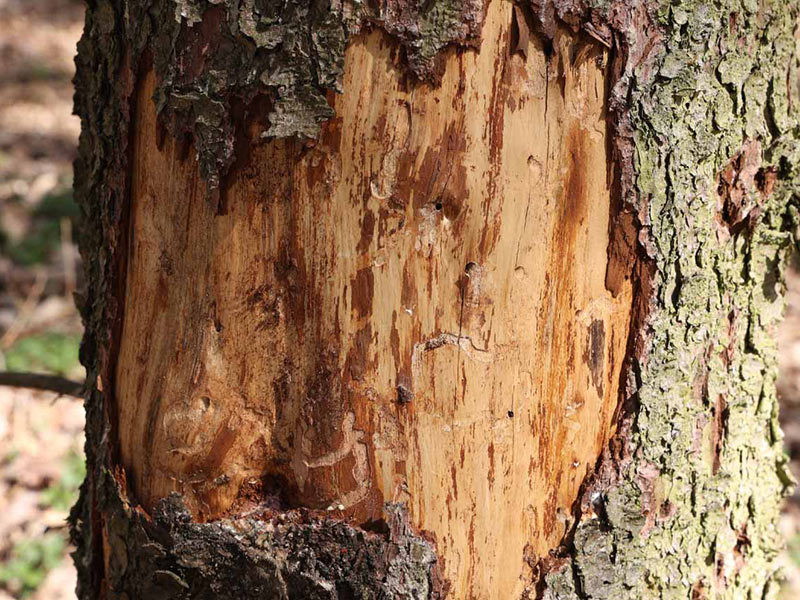
Diagnosis
Due to the high risk of mortality and the often-aggressive nature of vascular issues, it is paramount to get a proper diagnosis before beginning any treatments.
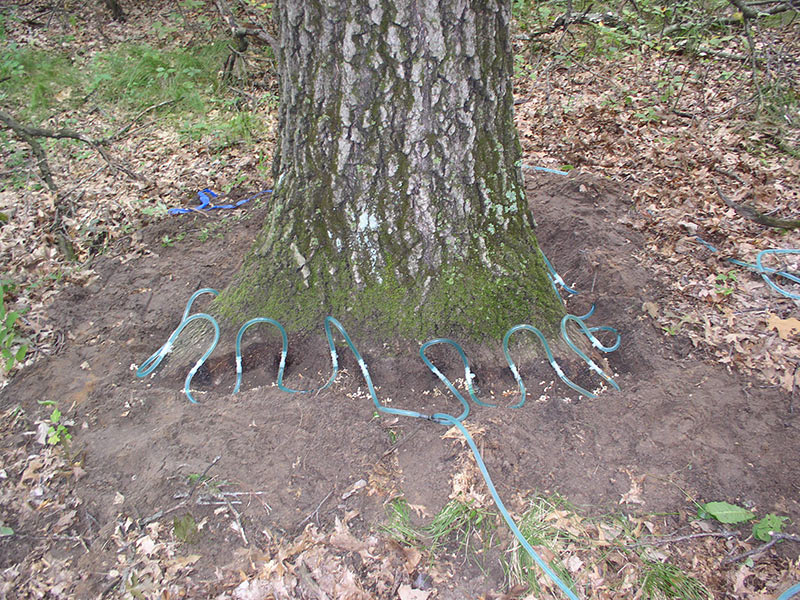
Follow the Protocol
While this is true for all tree health management issues, it is particularly important when treating vascular disease. Each issue has unique yet vital steps that must be followed for maximum tree survival success.