What Is the Issue?
Secondary insect pests primarily target oak trees that are already weakened or stressed. These pests exploit a tree’s weakened defenses, often leading to rapid decline.
- Flatheaded Borers: The larval stage of the borer feeds on the vital cambium tissue beneath the bark, creating winding (serpentine) galleries that effectively ‘girdle’ the stem or branches, cutting off nutrient flow.
- Sucking Insects: These pests pierce plant tissues and extract vascular fluid, weakening the tree.
- Leaf-Feeding Insects: These pests consume or damage leaf tissue, directly reducing photosynthesis and overall plant health.
Danger/Risk Level
High Risk. Secondary pests are opportunistic and act as ‘finishers’. They are attracted to trees stressed by factors like drought, disease, defoliation, or environmental damage. Once the cambium is girdled, the tree’s transport system fails, leading to rapid dieback and death, often within 1 to 5 years.
What Causes the Issue?
The primary cause is the tree’s compromised health, which makes it attractive to the pest. This stress is often physiological, induced by abiotic factors such as prolonged drought, extreme temperature fluctuations, soil compaction, or physical damage to the roots or trunk from construction or lawnmowers.
What Can Be done?
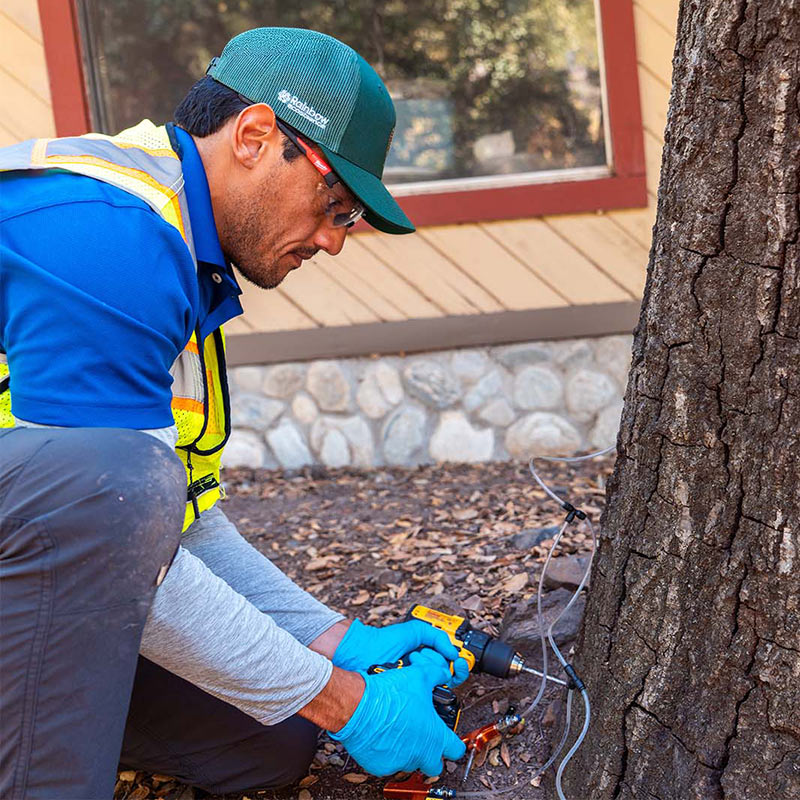
Toolbox Summary
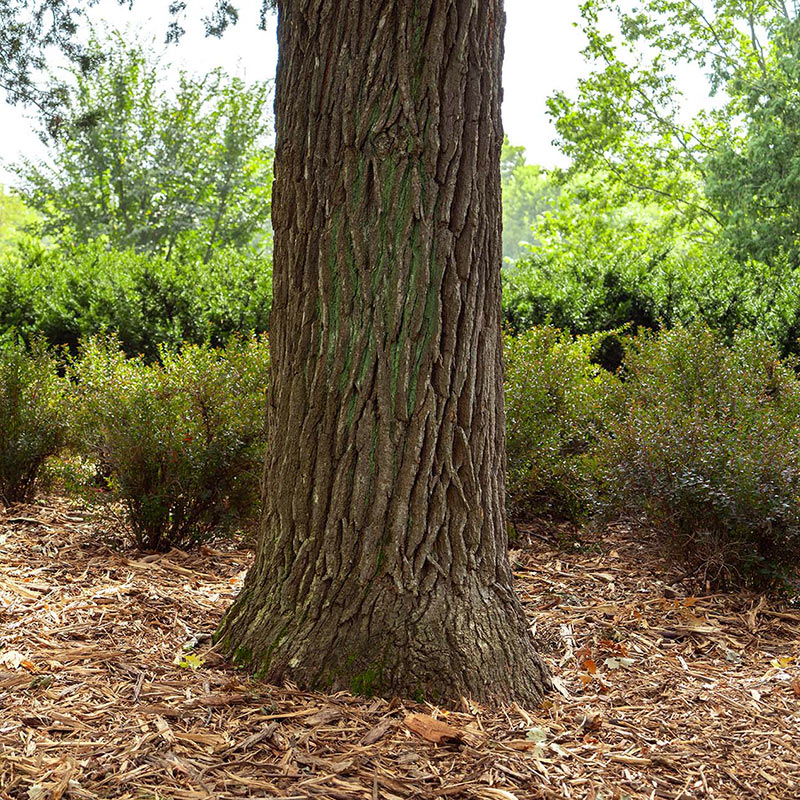
Prevention
Maintain tree vigor through good PHC practices: watering during drought, mulching, and avoiding root and bark damage.