What Is the Issue?
Root and soil issues are a broad category of non-infectious, environmental stresses that lead to the gradual decline of tree health and vitality. Common causes include soil compaction, poor drainage (leading to saturated soil and root rot), nutrient deficiencies or imbalances, girdling roots, and physical damage to the root system (e.g., construction, grading). These stresses impair the tree’s ability to absorb water and nutrients.
Danger/Risk Level
Moderate to High Risk (Chronic). This is a chronic issue that typically weakens the tree over a period of years, making it highly susceptible to secondary pests and diseases. While slow acting, it is the most common cause of long-term tree decline and can lead to death if the underlying soil conditions are not corrected.
What Causes the Issue?
The decline is caused by environmental factors that negatively impact the root system’s ability to function:
- Soil Compaction/Lack of Oxygen: Heavy traffic, construction, or grading compresses the soil, reducing pore space. This inhibits gas exchange, leading to an anaerobic environment that suffocates roots.
- Improper Hydrology: Extreme soil pH (too high or too low) can lock up essential micronutrients, and a lack of organic matter or proper fertilization can lead to deficiencies.
What Can Be done?
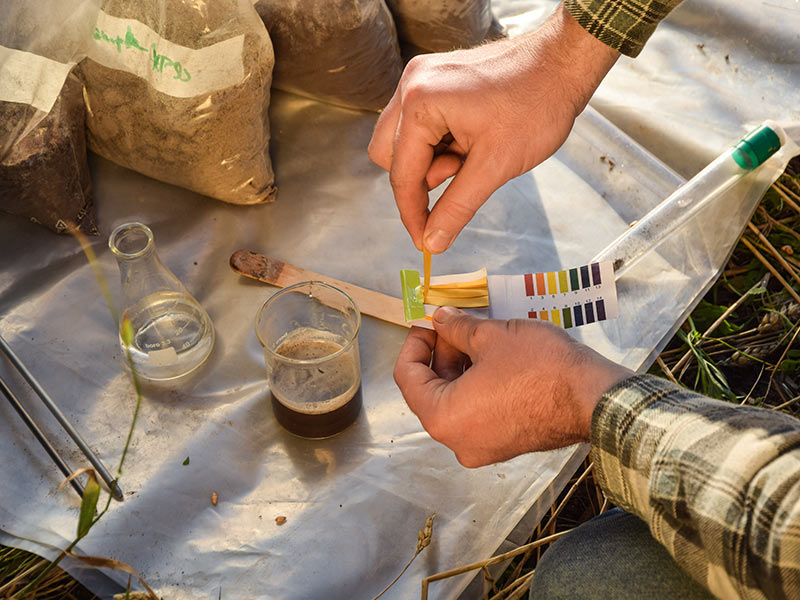
Diagnosis & Assessment
Soil testing is critical to determine pH, nutrient levels, and organic matter content. Root collar excavation (air spading) is often needed to assess root damage, girdling roots, and compaction.
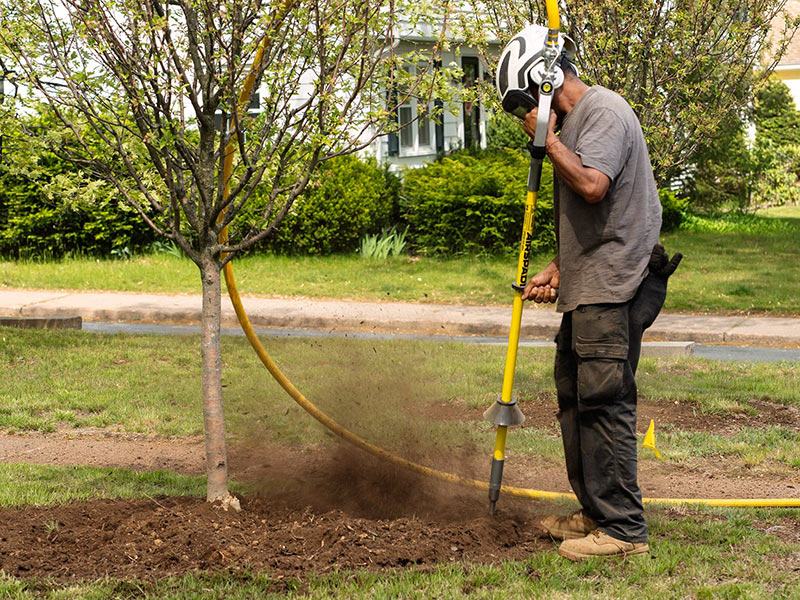
Aeration & Decompaction
Using an air spade to break up compacted soil and incorporate amendments.
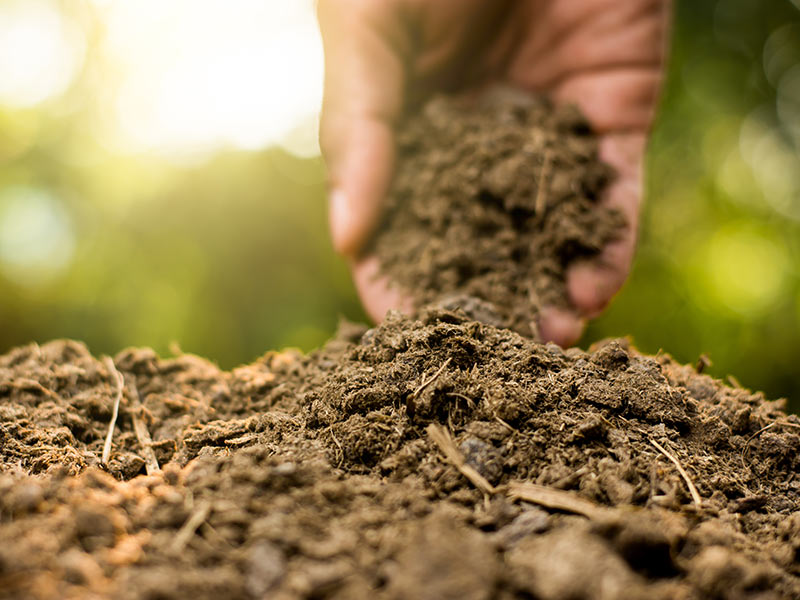
Soil Amendments
Applying high-quality organic matter, balanced fertilizers, and/or biostimulants (BioRush/Diehard products) to correct deficiencies and improve soil structure.
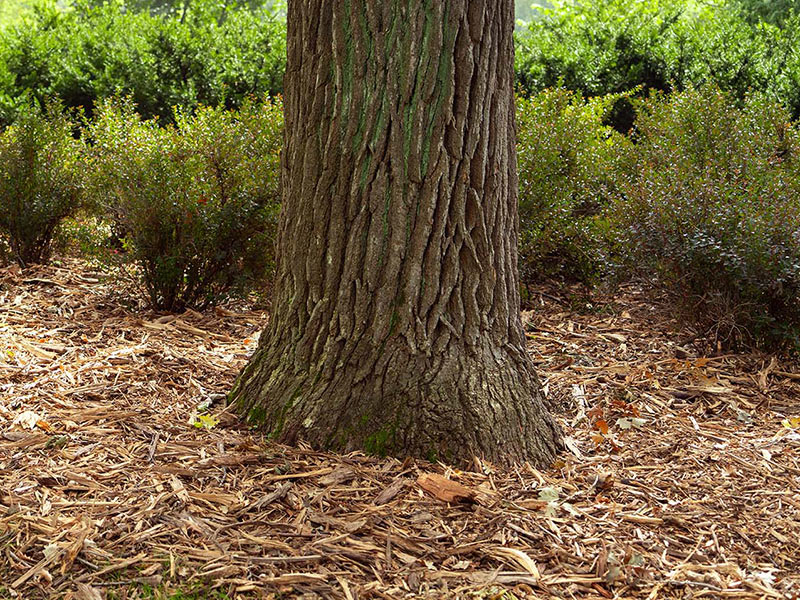
Prevention
Mulch beds should be maintained at 2-4 inches deep, kept away from the trunk (no ‘volcano’ mulching), and native soil grades should be protected from disturbance during construction.