What Is the Issue?
The primary nutrient issue affecting oak species in urban environments is iron (Fe) chlorosis, a condition in which the tree cannot effectively absorb or utilize iron, even when it is present in the soil. This deficiency reduces chlorophyll production. While less common on oak trees, deficiencies of manganese or potassium can also occur and cause distinct foliar symptoms.
Danger/Risk Level
Low to Moderate Risk (Chronic). Mild chlorosis can be considered a minor health issue. However, chronic and severe chlorosis can weaken the tree over time, reducing growth, predisposing it to secondary pests, and increasing susceptibility to diseases and environmental stress.
What Causes the Issue?
The most common cause is high soil pH (alkaline soil, typically above 7.5), which is common in areas with limestone or brought in by construction fill. High pH locks up iron, making it insoluble and unavailable for root uptake. Other contributing factors include compacted soil, poor drainage, and damaged roots.
Other Deficiencies:
- Manganese (Mn): Similar to iron, availability is often tied to high soil pH. Symptoms are very similar to iron chlorosis but may be more severe on new growth. Not as common in oaks as iron deficiencies.
- Potassium (K): True K deficiency is rare but can occur in sandy or highly leached soils. Symptoms include marginal leaf scorch (browning along the edges) and weak growth.
What Can Be done?
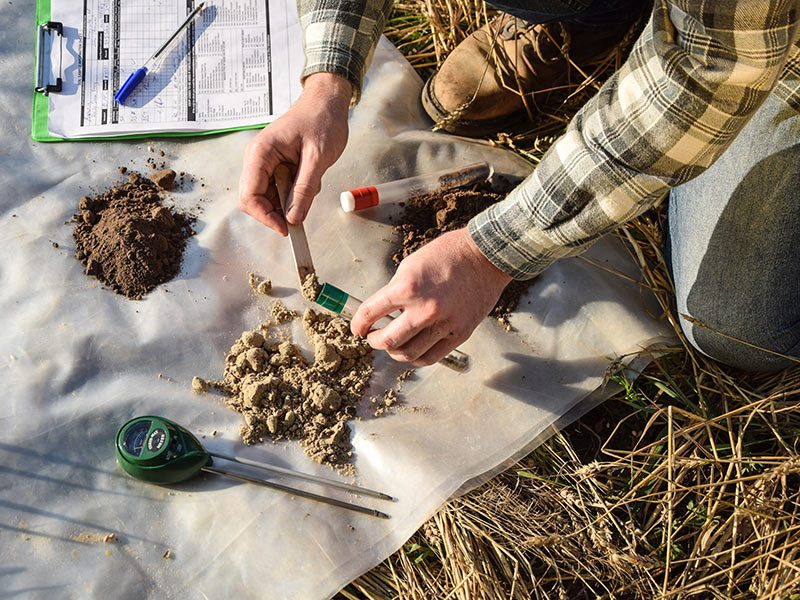
Diagnosis
A soil test is essential to determine pH and the levels of macro and micronutrients. A leaf tissue analysis can confirm which nutrient is deficient.
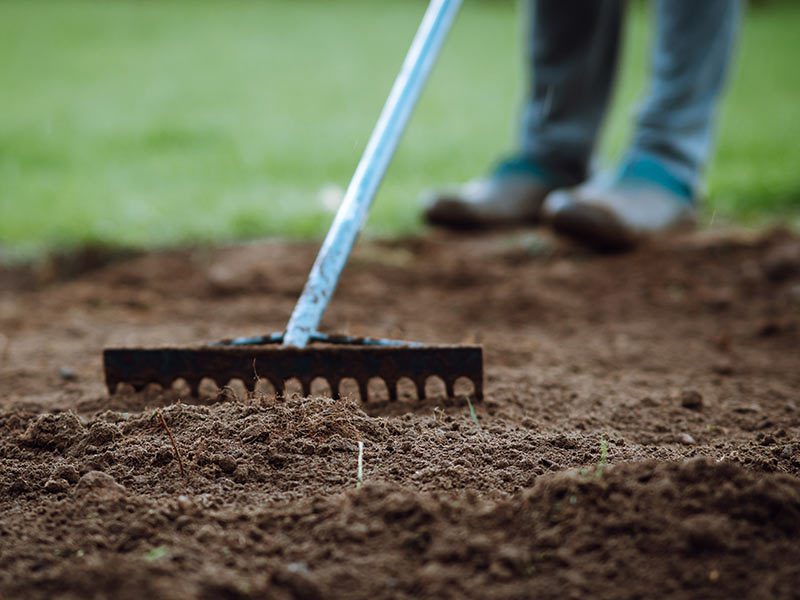
Soil Amendment/Treatment (Long-Term)
For high pH soils, the most effective long-term strategy is to apply elemental sulfur or other acidifying amendments, though this is a slow process.
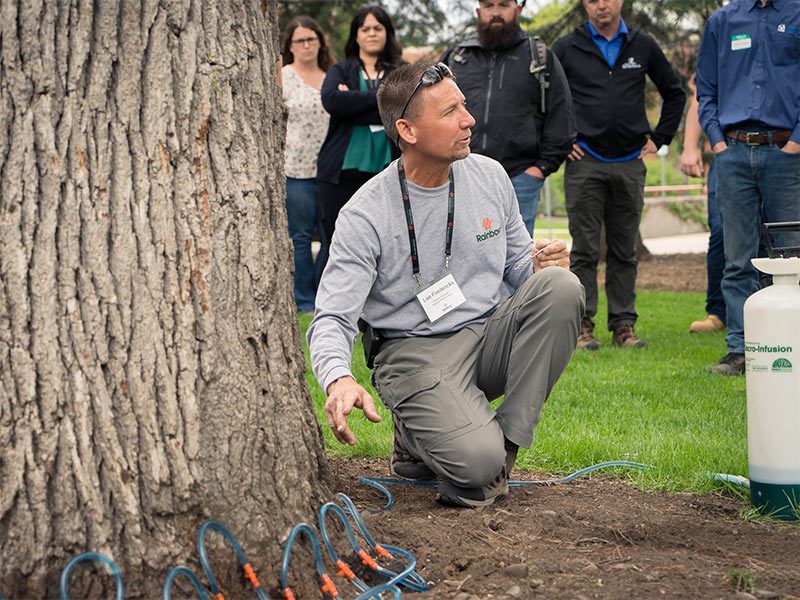
Iron Trunk Injection (Immediate/Temporary)
For severe Iron Chlorosis, trunk injection of a specialized iron product (Verdur) provides immediate relief by bypassing the soil. This provides 1-3 years of green-up depending upon application rate and timing.
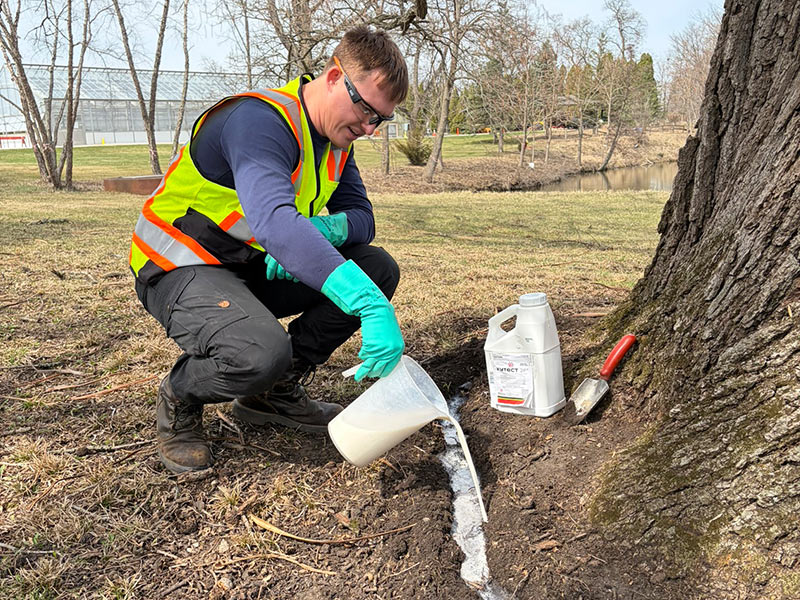
Tree Growth Regulators
Applying a tree growth regulator (TGR), such as Cambistat, can improve fine root development, helping the tree access additional nutrients from the soil and allowing for more chlorophyll production.
Cultural Practices
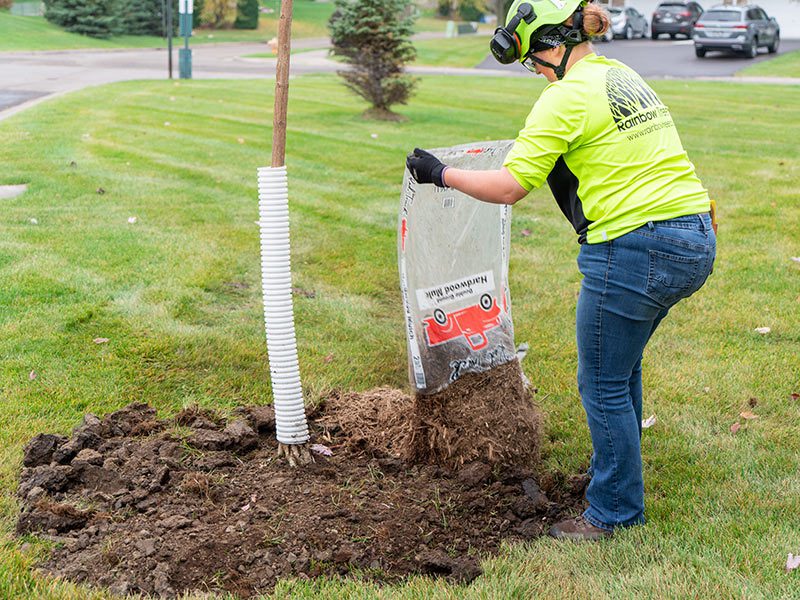
Relieve soil compaction, improve drainage, and apply a balanced, slow-release fertilizer (if a broad nutrient deficiency is confirmed by soil test) to maintain overall tree vigor.