What Is the Issue?
Foliar fungal diseases, such as leaf spot, anthracnose, or powdery mildew, are a broad group of diseases caused by fungi that infect the leaves of oak trees. While rarely lethal to mature, healthy trees, these fungi cause premature defoliation and aesthetic damage and can weaken a tree, making it susceptible to secondary pests and stressors, especially in successive years of severe infection.
Danger/Risk Level
Low to Moderate Risk. For established, healthy trees, the risk is low, primarily resulting in aesthetic damage and minor stress. Risk is moderate for newly planted, stressed, or otherwise compromised trees, as repeated annual infection can deplete energy reserves, leading to decline or increased vulnerability to other issues.
What Causes the Issue?
The issue is caused by various fungal species, often host-specific, that thrive in cool, wet conditions, especially during the spring and early summer. Fungal spores are spread by wind and splashing rain. Extended periods of leaf wetness are critical for spore germination and infection.
What Can Be Done?
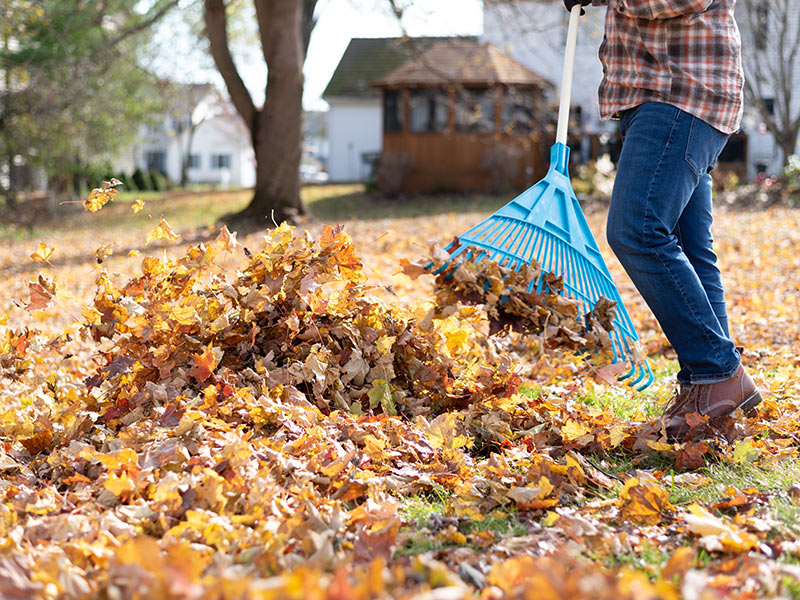
Cultural Control
Raking and destroying fallen leaves in the autumn is essential to reduce the amount of fungal inoculum for the following spring.
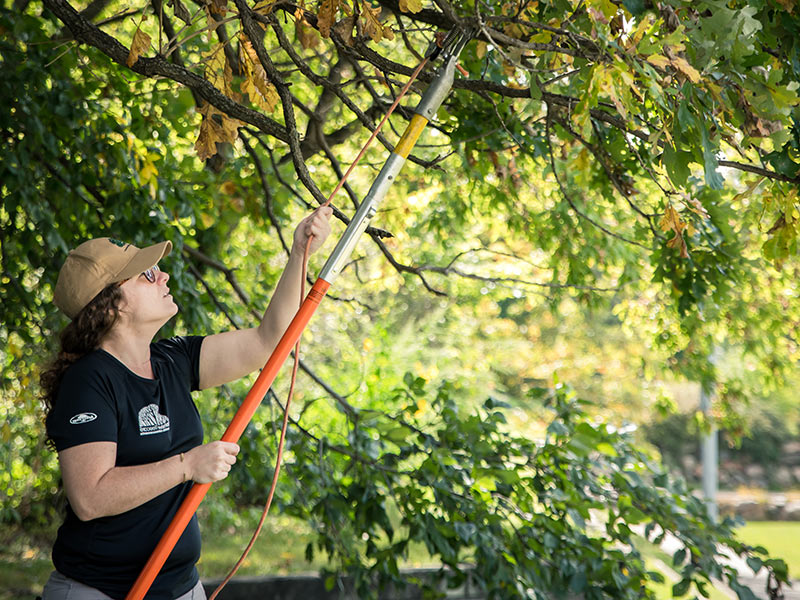
Pruning
Pruning to increase air circulation within the canopy helps leaves dry faster, reducing the time before fungal infection occurs. NOTE: Only prune oaks during dormant seasons if you are in oak wilt risk areas.
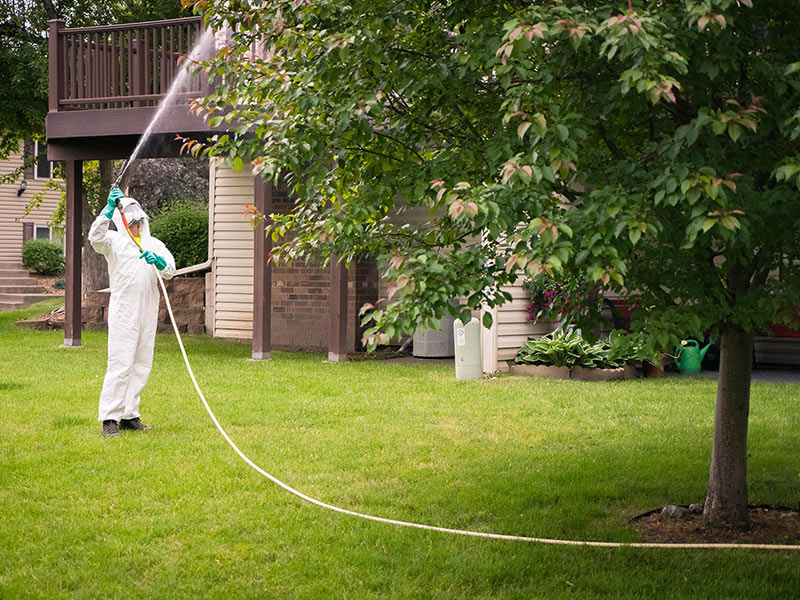
Treatment
Preventative fungicide sprays are recommended only for high-value ornamental trees, newly planted trees, or severe, chronic infections, and must be applied at bud break.