What Is the Issue?
Drought stress is a non-infectious physiological condition resulting from insufficient soil moisture to meet a tree’s water needs. It is characterized by reduced growth, early leaf color change and drop (senescence), and overall loss of vigor. Chronic or severe drought makes trees more vulnerable to secondary issues such as insect infestations and opportunistic diseases.
Danger/Risk Level
Moderate to High Risk (Acute/Chronic). An acute, severe drought can cause rapid decline and death in young or newly planted trees. Chronic, recurring water deficit in mature trees significantly depletes carbohydrate reserves, suppresses the immune system, and can lead to irreversible decline and eventual mortality, especially when combined with other stressors.
What Causes the Issue?
The primary cause is a lack of adequate water uptake:
- Water Deficit: Low rainfall, excessive heat, and/or competition from turf/other plants reduce the amount of water available in the root zone.
- Impaired Function: When soil moisture drops below the permanent wilting point, the tree must close its stomata to conserve water, which halts photosynthesis and nutrient transport.
- Root Damage: In severe drought, the fine feeder roots can desiccate and die, further reducing the tree’s capacity to absorb water even when it becomes available.
- Cumulative Stress: Repeated cycles of drought stress over multiple years weaken the tree’s defense systems, predisposing it to secondary pests and pathogens.
What Can Be Done?
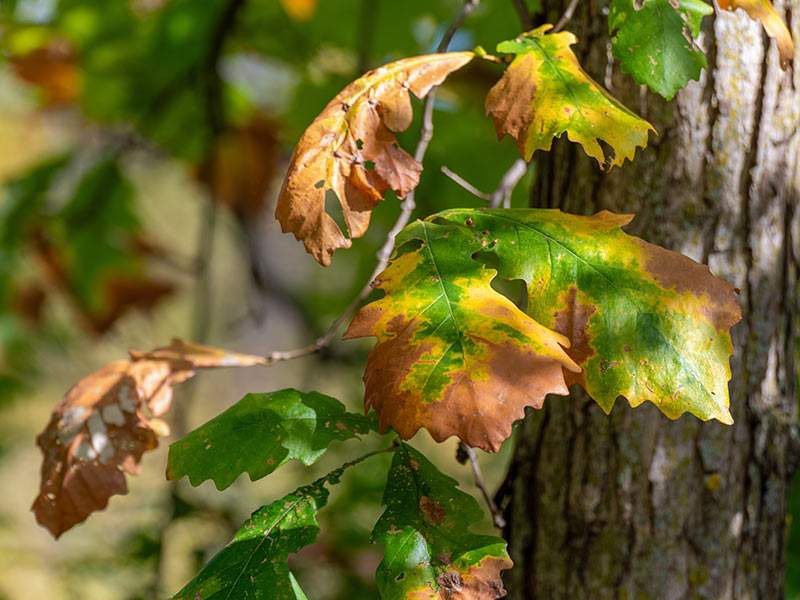
Diagnosis
Drought stress is indicated by general symptoms of decline (wilting, scorch, early leaf drop) that often follow a period of low rainfall. It is confirmed by checking soil moisture levels.
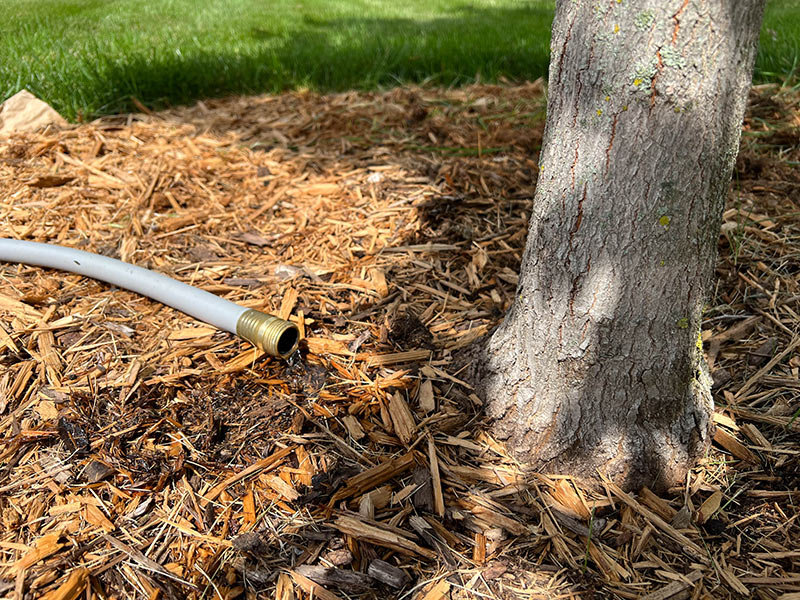
Watering
Provide supplemental water slowly and deeply to the entire root zone. A general rule is to apply 1-2 inches of water per week during dry periods.
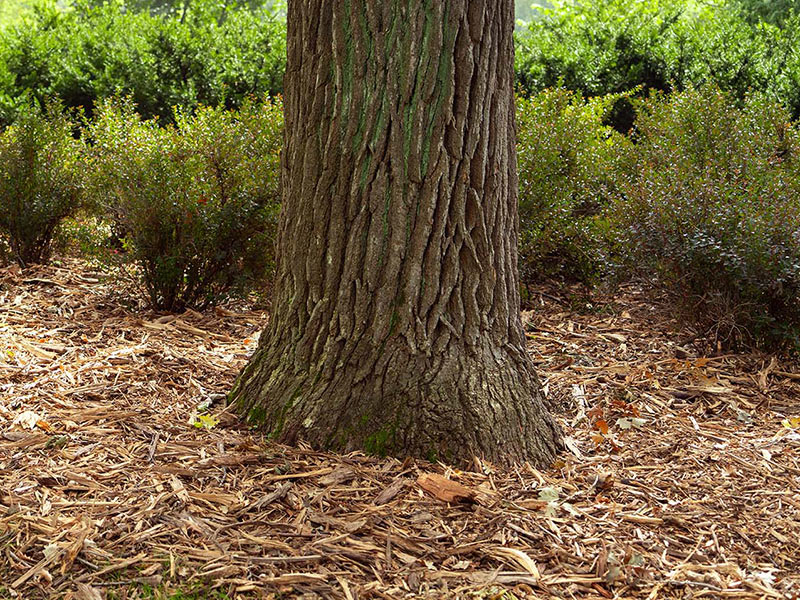
Mulching
Apply a 2-4-inch layer of organic mulch (e.g., wood chips) over the root zone, keeping it a few inches away from the trunk flare. This conserves soil moisture, moderates soil temperature, and reduces turf competition.
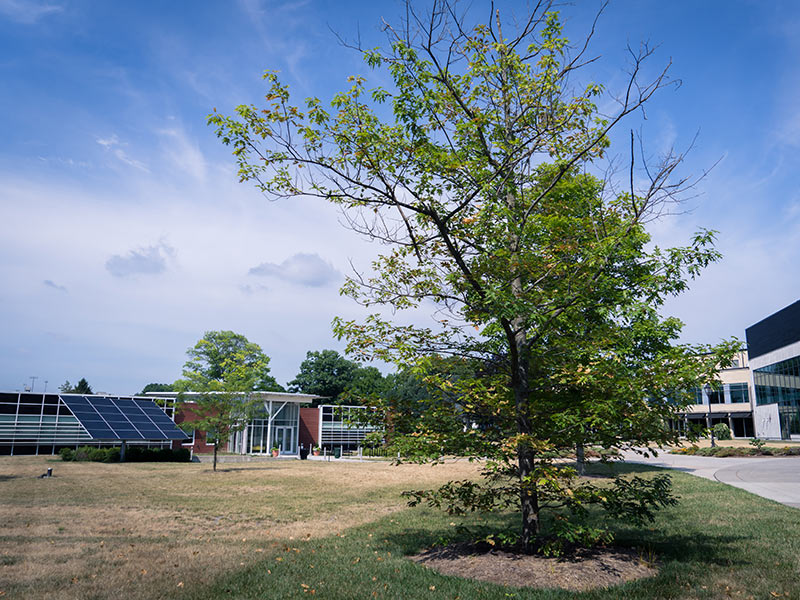
Avoid Fertilization During Drought
Do not apply high-nitrogen fertilizers to a stressed tree, as this stimulates new growth that requires more water.
Tree Growth Regulator
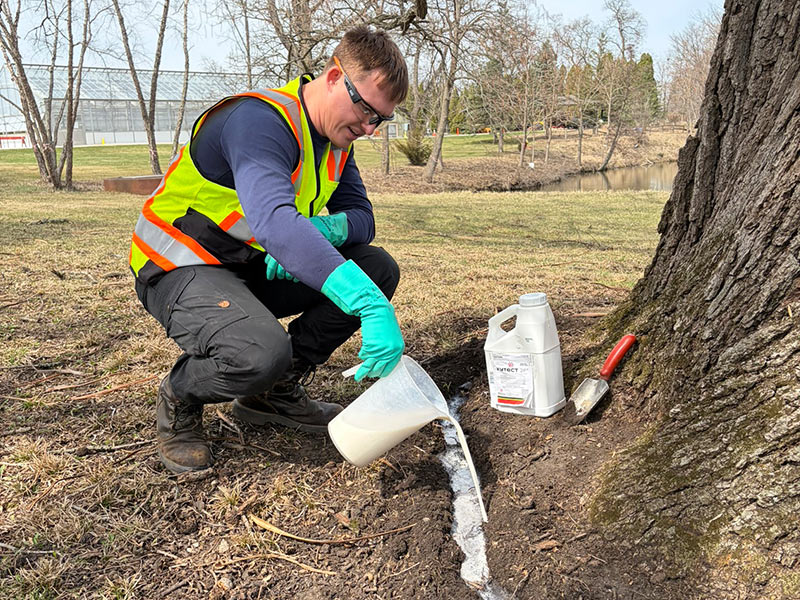
Using a tree growth regulator, like Cambistat, helps reduce the tree’s overall water demand, allowing it to thrive with less moisture. They also promote stronger, deeper root systems, which help trees access water and nutrients more efficiently.
MoistureAide
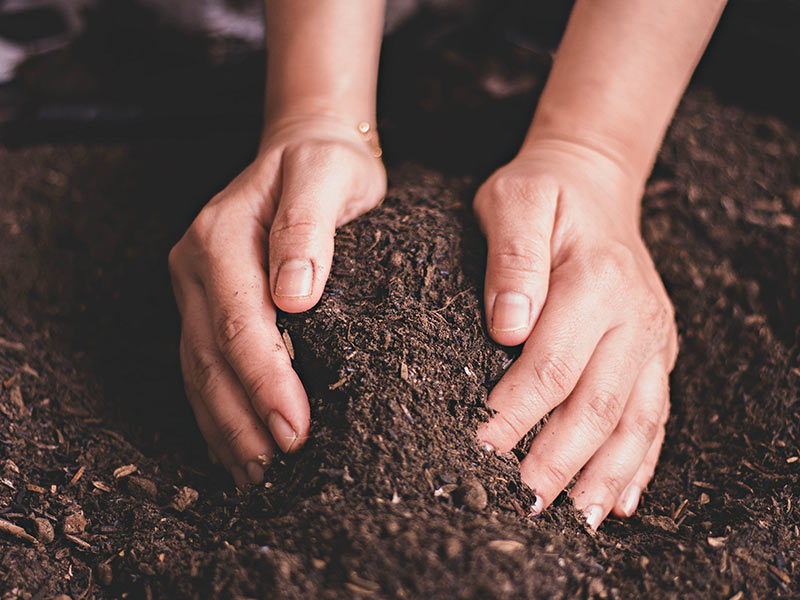
Incorporate into the soil to increase water-holding capacity for longer periods of time during dry spells.