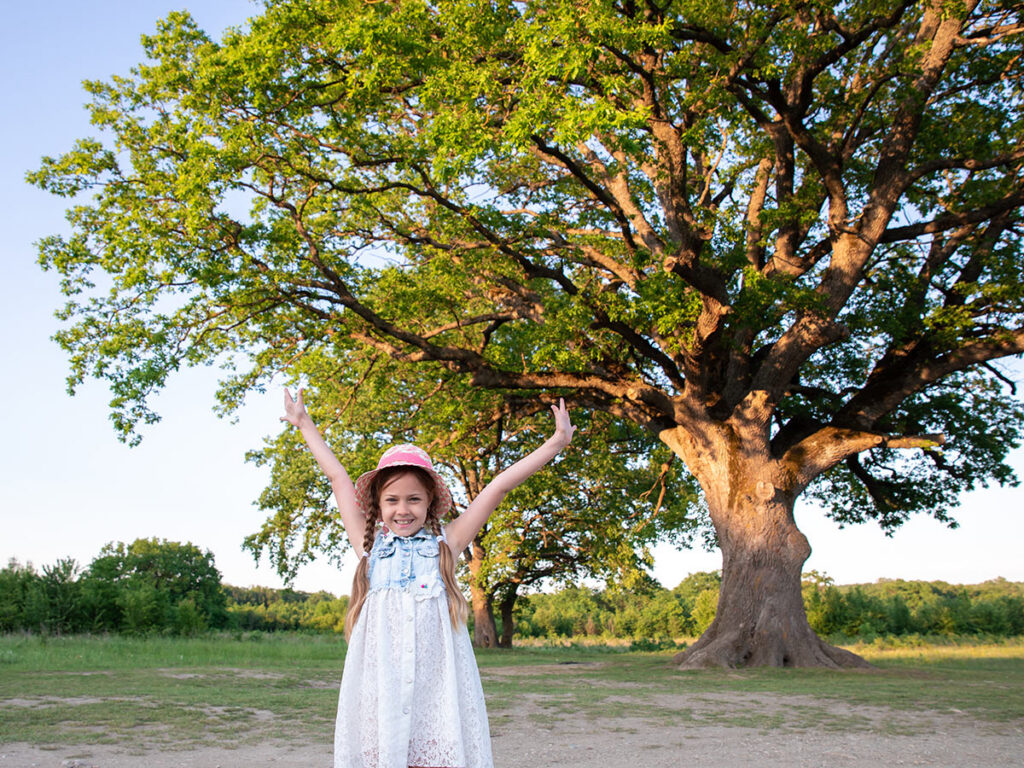
Oaks are not only important to the environment and the economy; they are important to anyone with oaks growing on their property. The most important factor in protecting and preserving oak trees is the client. By educating them about the oak death spiral and offering services that address not only the visible symptoms but also the underlying causes, we empower them to make informed, long-term decisions for their trees.
Take the good, better, best approach
This tiered approach allows you to tailor services to each client’s priorities, budget, and the severity of the oak’s condition. By providing clearly defined levels of service from addressing immediate issues to long-term tree and soil health, you help clients understand their options and choose the level of intervention that best supports the health and longevity of their oak trees.
The good, better, best tiers
This foundational tier focuses on immediate, visible problems to stabilize the tree and prevent further rapid decline. It is the essential first step for any compromised oak.
- Targeted Insect and Disease Management: Utilizing diagnostic tools to identify specific pests (e.g., borers, scale, aphids, spider mites) or pathogens (e.g., oak wilt, anthracnose, leaf spot). Treatment involves precisely timed applications of dormant oils, systemic insecticides, or fungicides, minimizing environmental impact while maximizing efficacy.
- Proper Mulching and Watering Techniques: Implementing best practices for cultural care. This includes establishing a proper mulch ring (2-4 inches deep, kept away from the trunk flare, avoiding ‘mulch volcanos’) to moderate soil temperature, retain moisture, and reduce turf competition. It also involves educating the client on deep, infrequent watering, especially during periods of drought stress, to encourage deep root growth.
Building upon the foundational good practices, this tier aims to actively strengthen the tree’s natural defense mechanisms and improve its overall vigor, making it more resilient to future threats.
This includes all good interventions, plus:
- Application of Plant Growth Regulators (PGRs): Using specialized chemicals to redirect the tree’s energy. PGRs can suppress canopy growth, diverting the energy typically used for shoot elongation into fine root development, thicker leaves, and stored energy reserves, thereby increasing drought, disease, and stress tolerance.
- Nutritional Supplementation/Fertilizer: Conducting soil or foliar analyses to determine specific nutrient deficiencies. Customized fertilization programs, often involving slow-release, balanced formulations injected into the root zone, are used to correct imbalances, promote photosynthetic efficiency, and enhance wound compartmentalization (the tree’s natural defense against decay).
The comprehensive best tier recognizes that the true health of an oak resides in the health of its supporting soil ecosystem. This approach is the gold standard for preserving legacy trees and extending their lifespan.
This includes all good and better interventions, plus:
- Strategic Soil Amendments: Introducing biological inoculants, such as beneficial biostimulants, along with biochar, organic matter, humic acids, or specific minerals. These amendments restore the natural biotic life in the soil, improving nutrient uptake, water-holding capacity, and root-pathogen suppression.
- Comprehensive Soil Remediation: Addressing chronic, underlying soil issues. This may involve installation of permanent subsurface aeration systems to improve gas exchange and reduce water stagnation in the root zone.
- Addressing Soil Decompaction: Utilizing Air-Spade technology to physically break up compacted soil layers without damaging structural roots. Compaction is a primary stressor in urban environments, severely limiting root growth and oxygen availability; decompaction combined with the incorporation of organic matter and other amendments is essential for long-term health and the restoration of a healthy soil structure.
The Value of an Oak Care Program
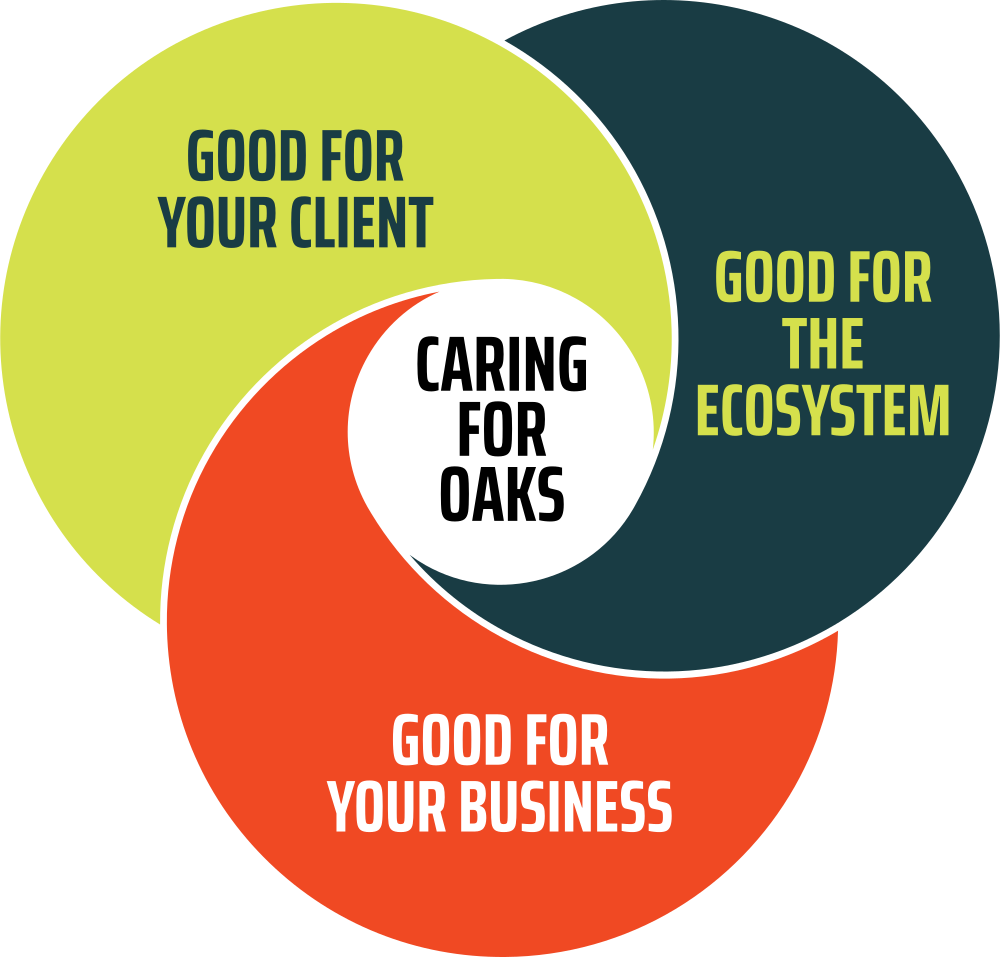
Since oaks are often held in high regard by the public, conversations on the investment in their care are often easier than those around other species of trees. Offering oak care is a service that benefits the tree’s owner, can grow your plant healthcare business, and has a positive impact on the environment as a whole.
Diagnosing Oak Issues
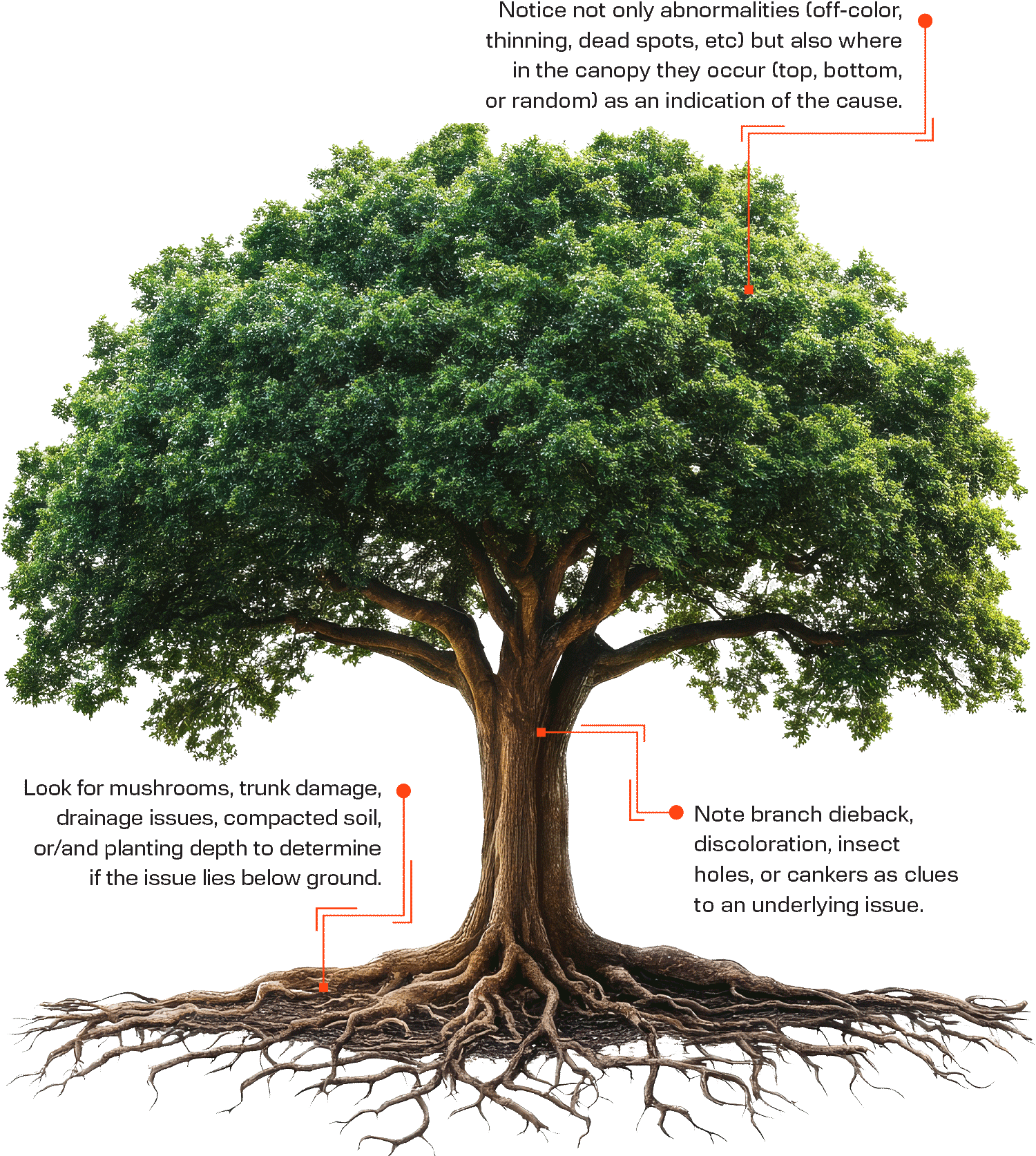
A successful PHC program begins with an accurate diagnosis. Symptoms often overlap, but looking at key indicators helps pinpoint the primary stressor.
The fate of our legacy oaks rests largely in the hands of arborists and plant healthcare professionals. The challenges are formidable: a changing climate, unsustainable urban environments, and an array of opportunistic pests and diseases. However, the oak death spiral is not a terminal diagnosis.