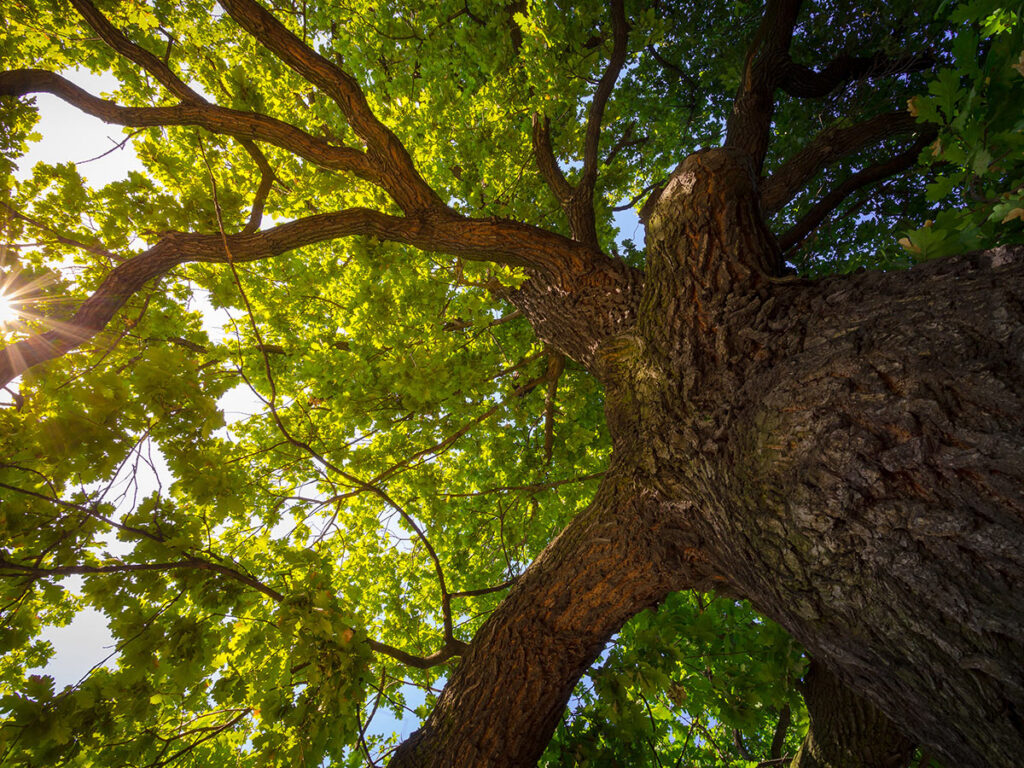
Oak trees (Quercus species) stand as monumental pillars in the narrative of both human civilization and natural history. They transcend their role as mere flora to become potent cultural symbols, indispensable economic resources, and foundational ecological anchors.
Their remarkable traits—prodigious longevity, immense physical strength, and colossal stature—have indelibly marked them upon the historical, political, and spiritual consciousness of diverse cultures across the globe for millennia.
A Sacred Canopy:
Oaks in Ancient Lore and Religion
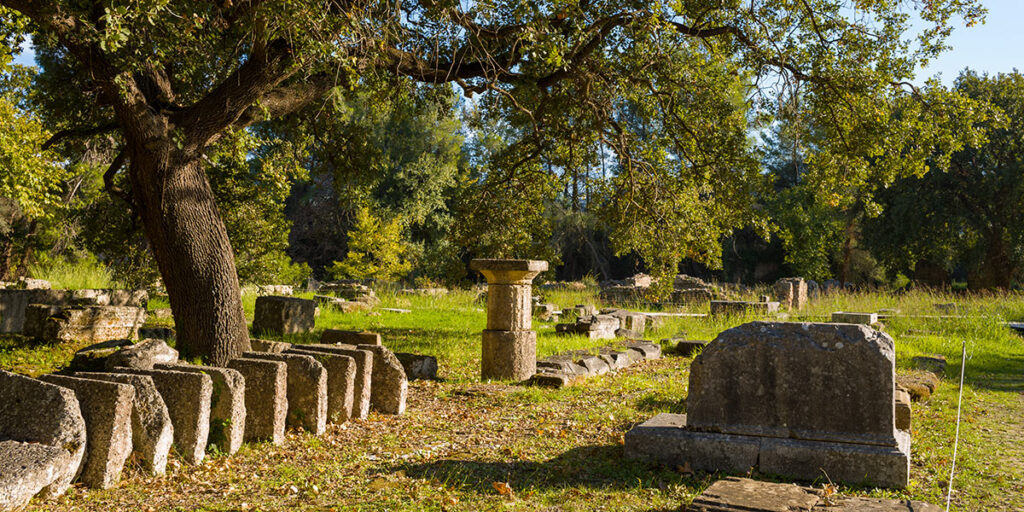
The spiritual significance of the oak often placed it at the apex of the ancient pantheon, symbolizing power, endurance, and divine knowledge. In Greek mythology, the oak was the sacred tree of Zeus, the king of the gods. The most renowned example of this reverence was the ancient oracle at Dodona in Epirus, one of the oldest Hellenic oracles. Here, priests divined the will of Zeus by interpreting the sussurus—the rustling of the oak leaves, the murmuring of the spring at the tree’s base, and the clanging of bronze tripods hung from its branches. This practice established the oak as a direct conduit for prophecy and divine communication.
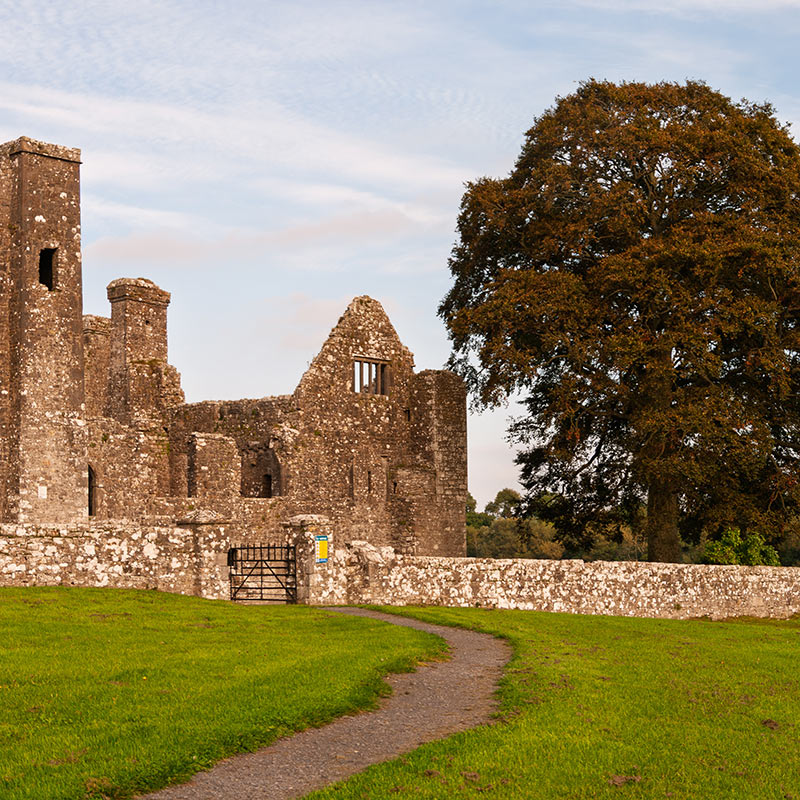 Moving westward, the oak was equally venerated by the Celts. Their profound respect for nature and sacred groves focused intensely on the oak. The very term “Druid,” the priestly class of ancient Celtic societies, is believed by many linguists to derive from the Celtic word for oak (deru), potentially signifying “oak knowledge” or “oak seers.”
Their ceremonies often took place within sacred oak groves, underlining the tree’s association with wisdom, strength, and the spiritual link between heaven and earth.
In North America, Indigenous peoples revered oak trees as sacred symbols of strength, endurance, and wisdom, and used various oak species for food and medicine. The Menominee and Meskwaki tribes developed methods for processing flour by drying, leaching, and grinding the acorns of white oaks. High tannin levels in oak bark were used to make tinctures for treating fevers, chapped skin, and dysentery. Oak timber was used for shelter, furniture, spears, and bows for hunting.
Political Emblem and Historical Witness
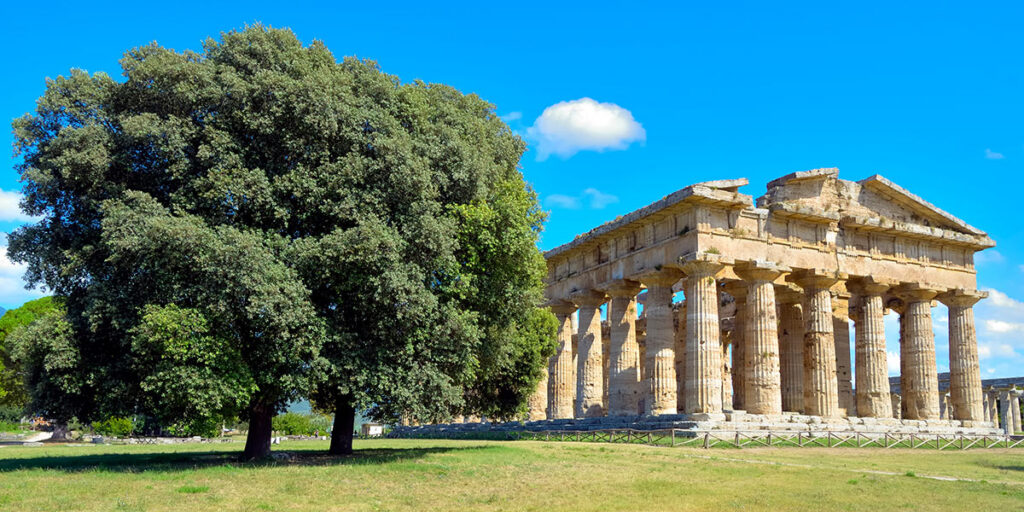
The oak’s symbolism extended seamlessly from the spiritual to the political and martial spheres, representing profound civic virtue and national memory. The Roman Republic used the oak not merely for its wood but also as a mark of the highest civilian honor. The Corona Civica, a wreath woven from oak leaves, was the second-highest military decoration a Roman citizen could receive, reserved exclusively for a soldier who displayed extraordinary courage by saving the life of a fellow citizen in battle. This tradition established the oak as a powerful, enduring symbol of civilian virtue, duty, and the sanctity of Roman life.
Beyond formal state symbols, specific individual oaks have been immortalized as living repositories of pivotal national events.
The Royal Oak (England)
This particular tree, or its subsequent descendants, gained lasting fame after the Battle of Worcester in 1651. Following his defeat by Oliver Cromwell’s Parliamentarian forces, the future King Charles II famously hid in its dense branches to evade capture, making the tree an emblem of royal perseverance, survival, and the eventual restoration of the monarchy.
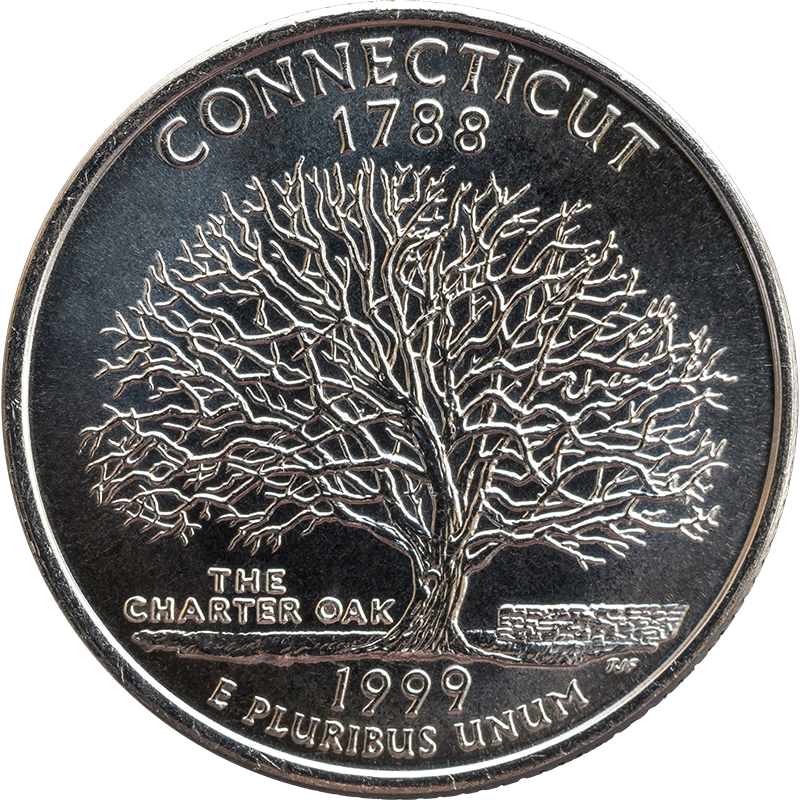 The Charter Oak (Colony of Connecticut)
In the American colonies, the Charter Oak became an iconic symbol of colonial defiance and self-governance. According to legend, in 1687, when the tyrannical Royal Governor Sir Edmund Andros attempted to seize the colony’s cherished Royal Charter of 1662—which granted Connecticut significant self-rule—colonists successfully secreted the document away, hiding it within the hollow of the great oak. This event forever cemented the Charter Oak as a powerful emblem of liberty and American resistance to imperial overreach.
The Keystone Resource: Economic and Practical Utility
The genus Quercus provides one of the world’s most versatile and durable hardwoods, making it an economic staple across centuries. Its strength, resilience, and resistance to water and decay made it essential to shipbuilding, providing the backbone for navies and merchant fleets that shaped global trade and exploration. Oak was equally crucial for construction, forming heavy timbers and trusses for countless buildings. It remains prized for furniture due to its attractive grain and durability.
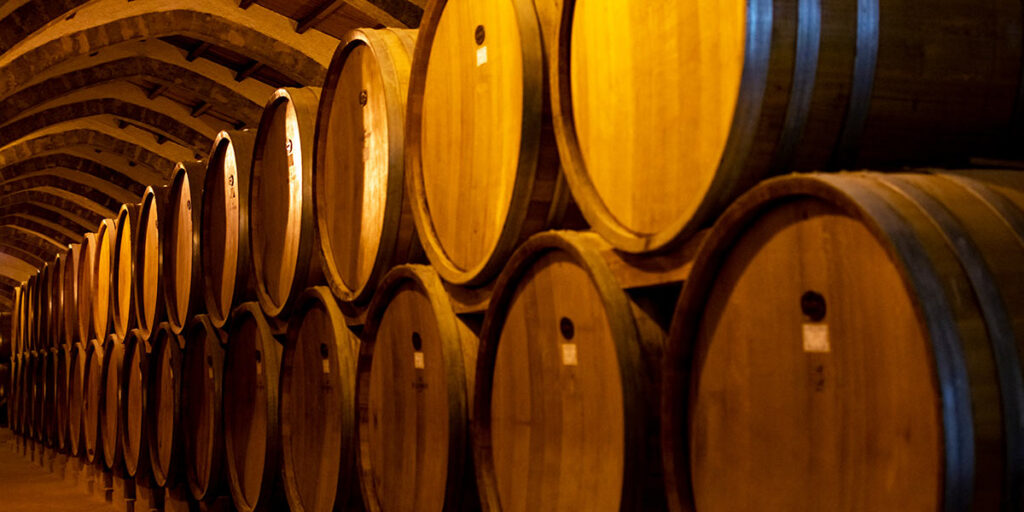
Perhaps the most specialized and culturally significant use of oak is in the production of barrels for aging wines, spirits, and beers. Oak wood contains high levels of tannins and aromatic compounds (like vanillin) that leach into the liquid over time, lending crucial flavor, complexity, color, and texture.
The distinct flavor profiles of Scotch whisky, Bourbon, and fine wines are intrinsically linked to the species of oak used in their maturation.
The practical utility of the oak extends further still: the word “cork” itself is a direct etymological derivative of the Latin genus name, specifically referring to the bark of the Cork oak (Quercus suber), highlighting the tree’s fundamental role in global commerce, from bottle stoppers to flooring.
Ecological Giants: The Oak as a Keystone Species
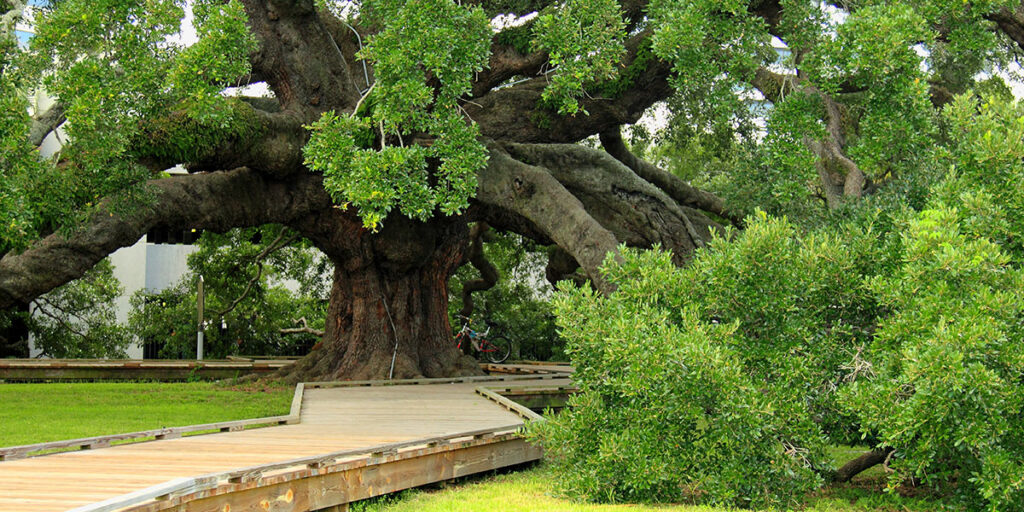
Ecologically, the oak is a keystone species, vital to ecosystem functioning. Its large canopy, great mass, and many seeds support a greater variety of life than almost any other tree.
Habitat and Food
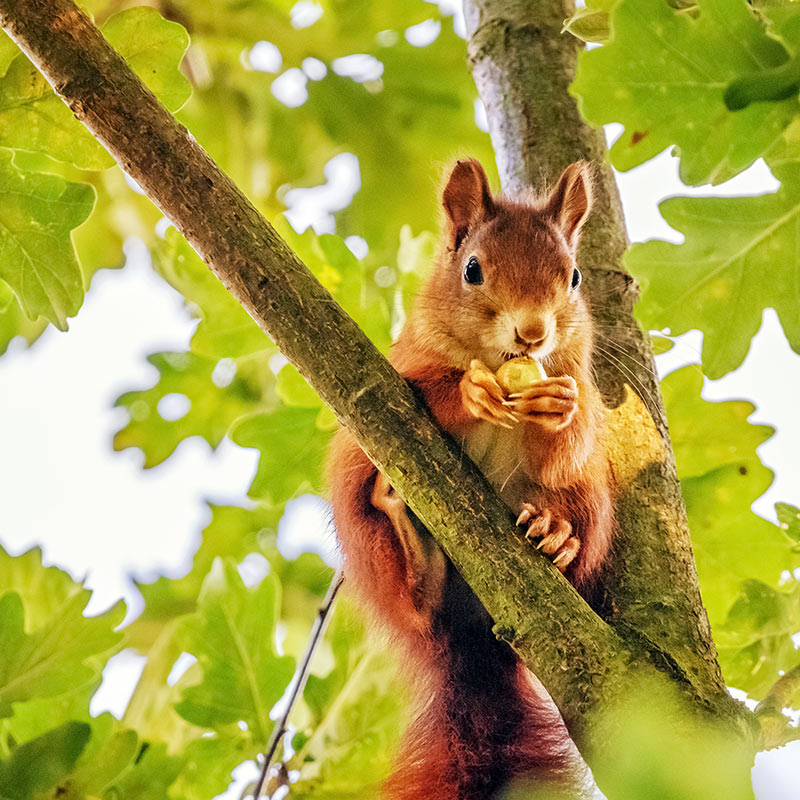
Oaks support hundreds of insect species, forming the essential food base for countless birds, reptiles, and small mammals. The oak’s fruit, the acorn, is large and energy-rich, providing a key food source for many animals—such as squirrels, deer, wild turkeys, and various rodents. The populations of these species are often tied directly to the success of the annual acorn crop.
Longevity as a Life-Support System
Because oaks can live for centuries or even thousands of years, they form a rare link to the distant past. Trees like California’s ancient Wi’áaşal live oak (estimated to be centuries old) are both witnesses to history and strongholds for nature. Their widespread root systems hold soil in place and store large amounts of carbon. Their long lives offer steady habitats. The story of the oak is not just about people; it is strong proof of its ongoing ecological value, supporting life on a lasting scale.
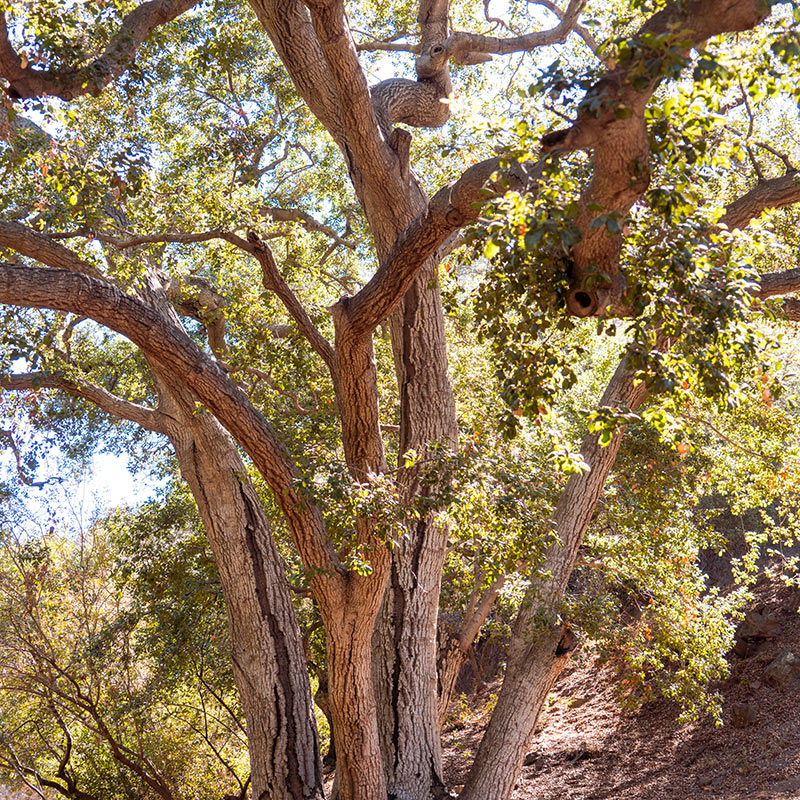
These cultural icons and ecological powerhouses are now feeling the strain of a rapidly changing world. Across North America, oaks face mounting pressure from extreme climate shifts, poor growing conditions, and rising pest and disease pressures.
The trees that once anchored entire ecosystems—and inspired human stories for millennia—are beginning to falter. To protect the future of these keystone giants, we first need to understand why oaks are in trouble.